
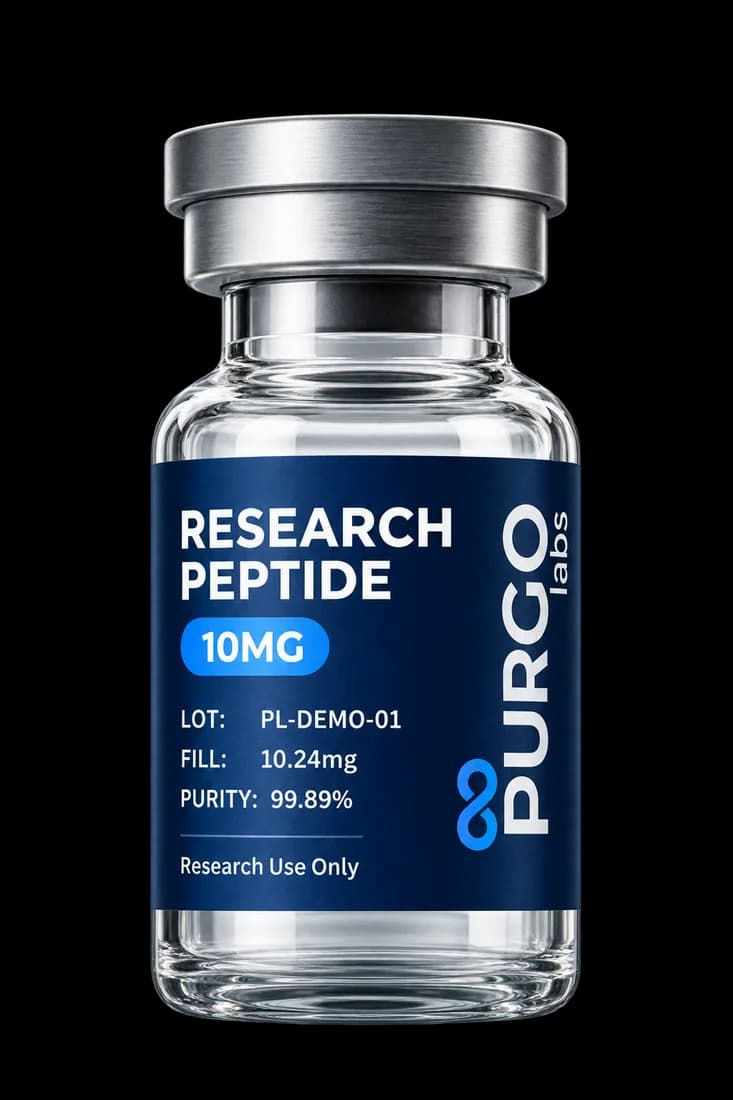
LOT / BATCHPL-DEMO-0110.24mg · 99.89%
01 / CHECK THE LABELFind your
Find your
batch number.
Start with the lot / batch number printed on your vial. This identifies the batch you’ll look up—not just the product name.
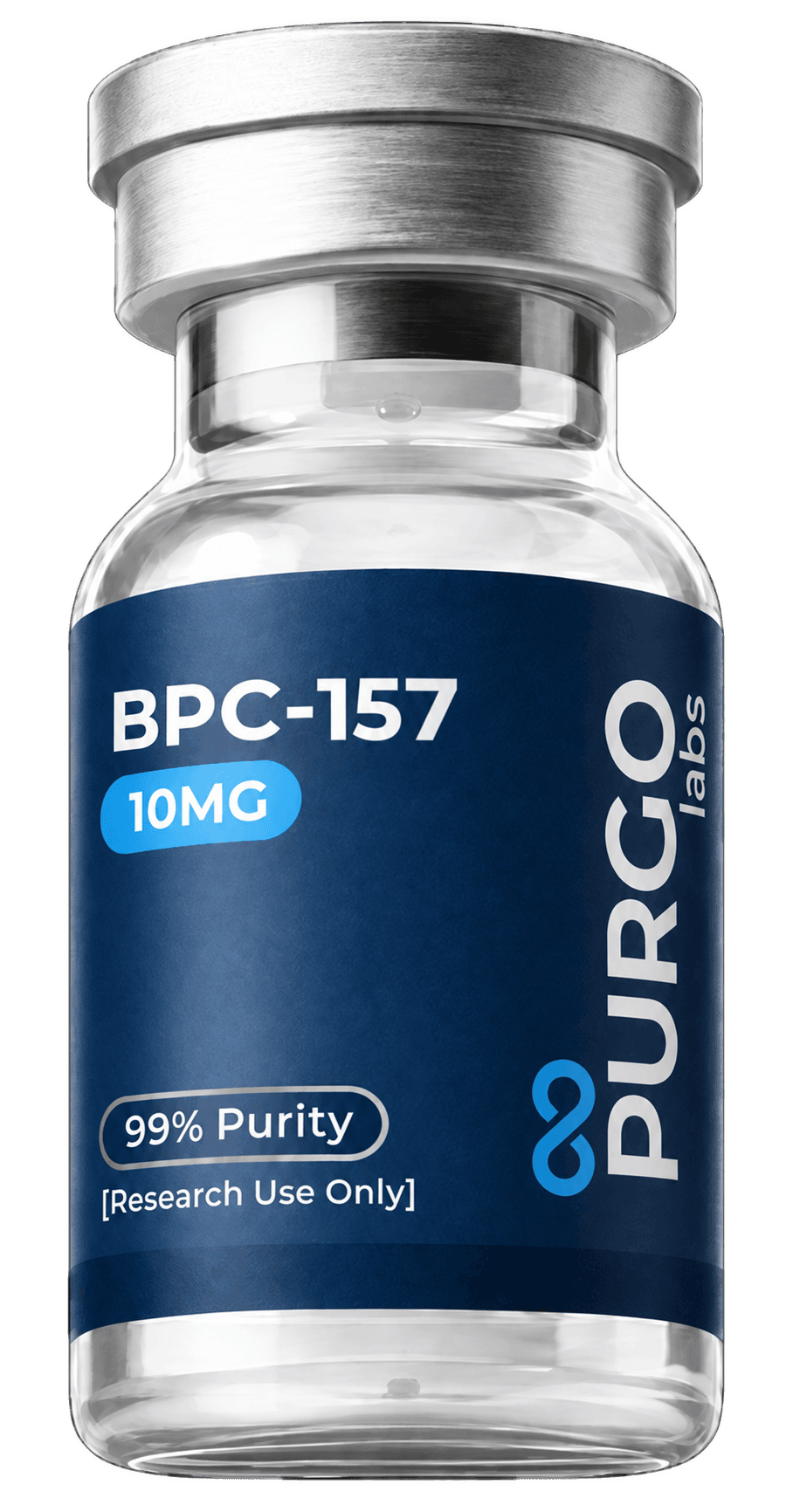
[For research use only] [Instructions not included]
Shipped in powder form. Non-Liquid. Not for human consumption
Size
Quantity
$44.99
Price with OCTOBER
$38.24
In stock
Ships tomorrow, Oct 23 if you order in 11h 59m 30s
Cutoff 11:00 AM Arizona · 2:00 PM ET
Ships from our warehouse in Scottsdale, AZ
Family owned and operated since October 2025
Typical arrival Mon, Oct 26 - Fri, Oct 30
Transit cover is included
If the carrier loses it, we send a replacement.
Need it sooner?
2-day and overnight unlock at checkout


Each 3 mL vial contains 10mg lyophilized powder for controlled laboratory preparation workflows. Review batch documentation before use.
Your vial. Your batch. An independent source.
Start with the lot / batch number printed on your vial. This identifies the batch you’ll look up—not just the product name.
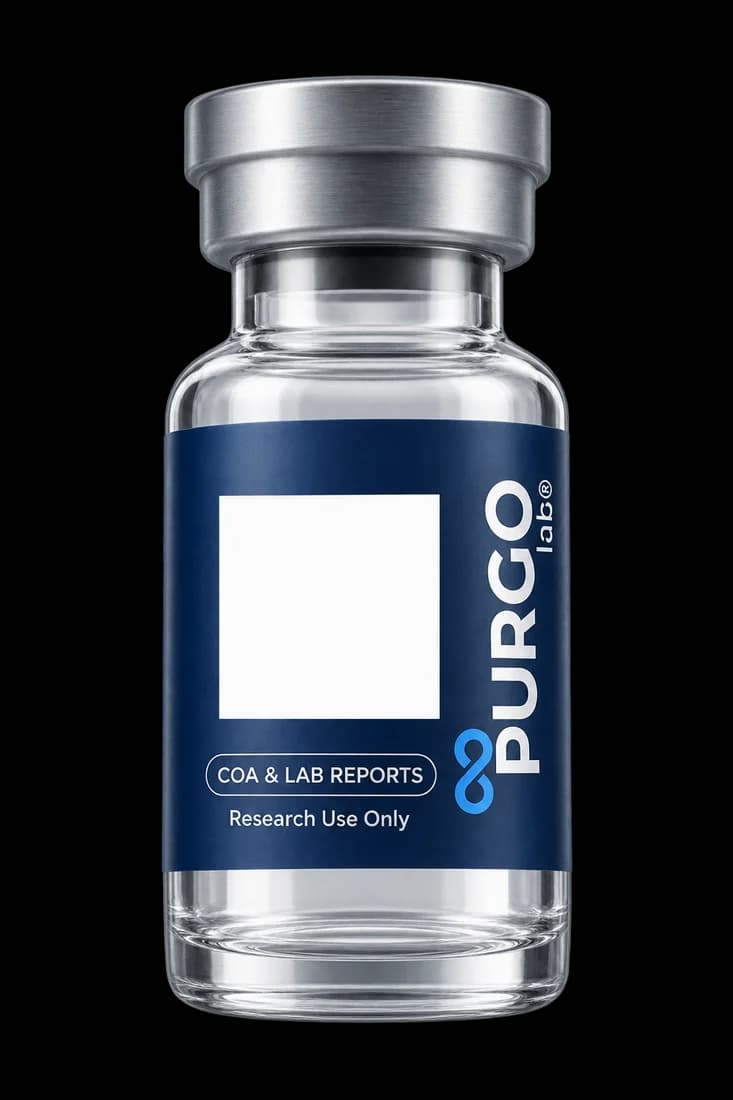

Scan the QR code on your vial to open Lab Reports. Find your lot, then compare the batch number, reported purity, and net fill with your label.
Open Lab ReportsLabel and COA match? Now visit the testing laboratory’s website listed on the report. Enter its COA / report number to verify the original with the lab.
Illustrative vial and batch details. Use the identifiers on your own vial and report. A report verifies the sample and tests listed; it does not establish suitability for human use.
BPC-157 is screened as a full formula for purity and identity—because what is in your research material, and what is documented on every batch, matters.
Independently tested in the United States for purity and identity
Every batch screened with third-party COA documentation
99%+ purity verified before release to inventory
Third Party Tested
This product is provided strictly for qualified laboratory research use only. It is not intended for human or animal use, nor for diagnostic, therapeutic, or cosmetic application.
Statements on this site have not been evaluated by the FDA or any regulatory authority. This compound is not intended to diagnose, treat, cure, or prevent any disease. Use is restricted to professional researchers operating in compliant and lawful laboratory settings.
By purchasing from Purgo Labs, you affirm that you are a qualified institutional researcher or laboratory buyer. You assume full responsibility for safe handling and use in accordance with all applicable regulations.
Research support
Every vial page links the third-party COA for the lot we are shipping. Open the PDF from the View COA badge on the product photo or Certificate of Analysis, then use the lab’s public verify page (Freedom Diagnostics, SteriGenix, Ethos Analytics, ILS Laboratories, or Kovera Labs). The lot on your vial should match the lot on that file.
Start with purity, net peptide content, batch or lot number, test date, and the lab name. The badges on the product photo show the live lot, purity, and fill. The PDF is the source of record if anything on the page is abbreviated.
When a sterility panel is on the COA, it reports whether the sampled lot showed microbial growth under that lab’s method. It is a lot-level lab result, not a substitute for controlled handling in your own workspace.
The lot on the product photo is the batch currently assigned to the size you selected. New intakes rotate, so those badges update with stock. The label on the vial you receive should match that lot and the linked COA.
The size on the listing is the advertised fill. Net content is what the third-party lab measured on sampled vials. Slight overfill is common, so the measured mass can read above the labeled size. That is why we show both when the numbers are on file.
Lyophilized vials are stoppered under vacuum, but seal feel varies by lot and stopper. A softer vacuum by itself is not a defect. Email support with photos if the stopper is loose, the cake looks wet or collapsed, or the vial arrived damaged.
We buy the UPS label when the order is packed. The first scan at the hub often lands the next business morning, so “label created” is normal for several hours. If it sits there past one business day, write support@purgolabs.com with the order number.
Email support@purgolabs.com with the order number and a couple of photos. If a vial arrives damaged, incorrect, or the cake is clearly compromised, we replace it. Research-use materials are not returnable for a change of mind.
Third-party COAs on the batches we ship, same-day fulfillment from our Scottsdale warehouse when you order before 11:00 AM Arizona, and a family-owned lab supplier since October 2025. Everything here is for laboratory / research use only — not for human or animal use.