Research Information

Peptides engineered for real laboratory workflows.

Purgo Labs supports qualified researchers with rigorously characterized peptides, traceable documentation, and infrastructure designed around in‑vitro and analytical work—not consumer marketing.

In‑vitro only

All products are for laboratory, analytical, and in‑vitro research use only.

Transparent documentation

Each lot is backed by HPLC, MS, and sterility data where applicable.

Research‑first support

Direct line to our team for documentation and logistics questions.

Research‑grade only

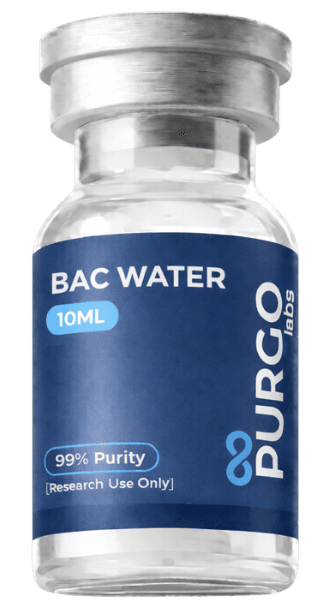
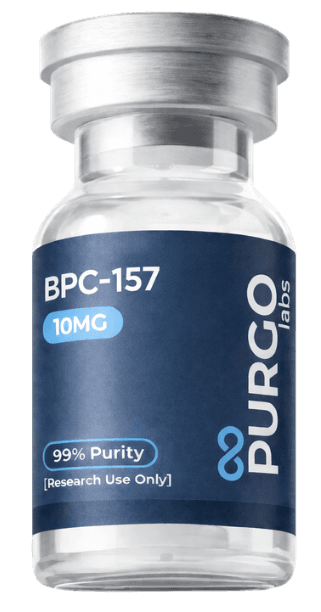
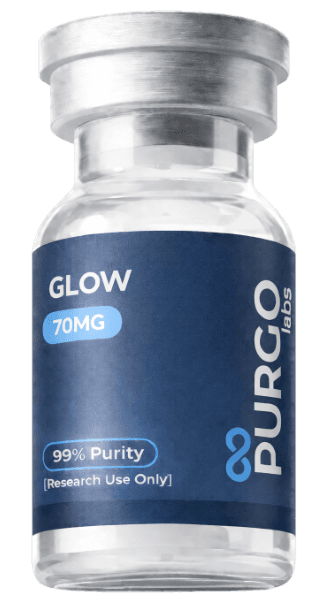
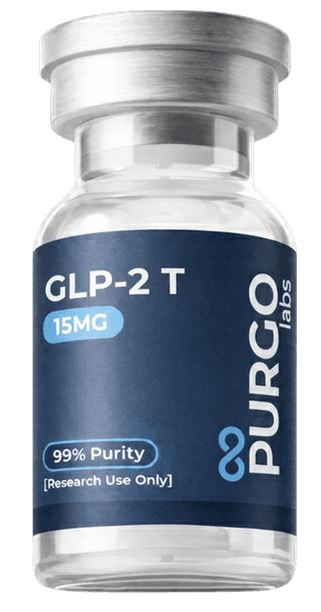
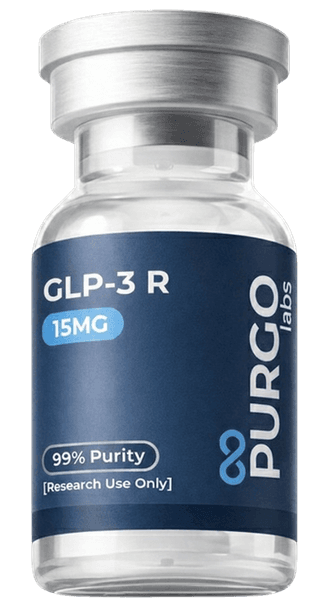
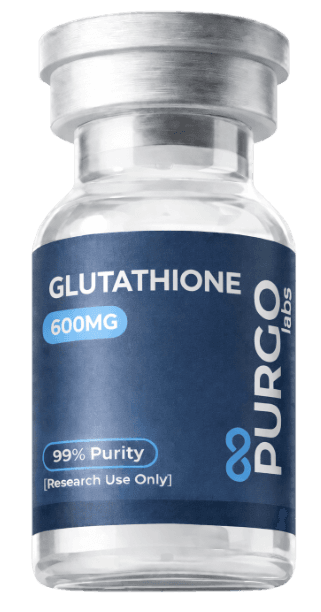
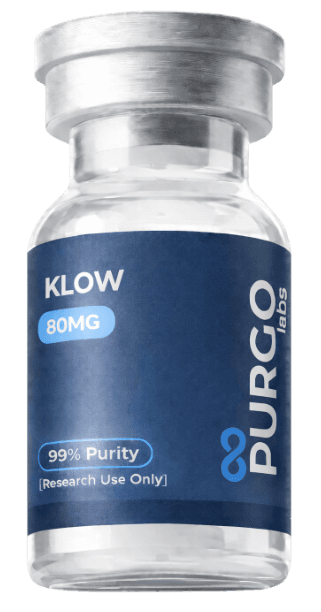
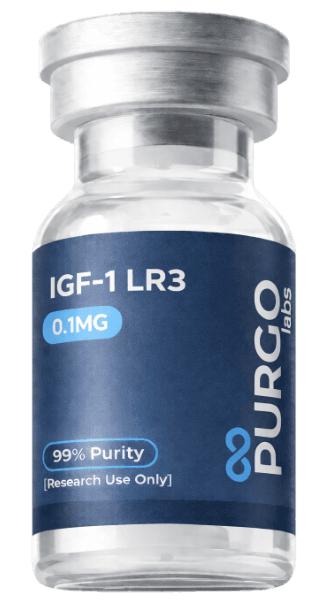
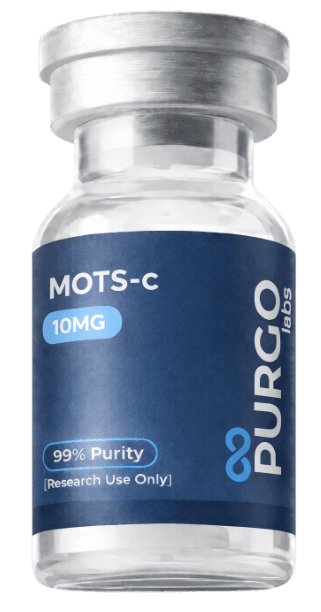
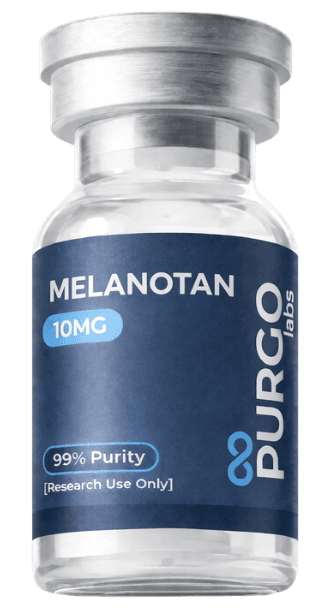
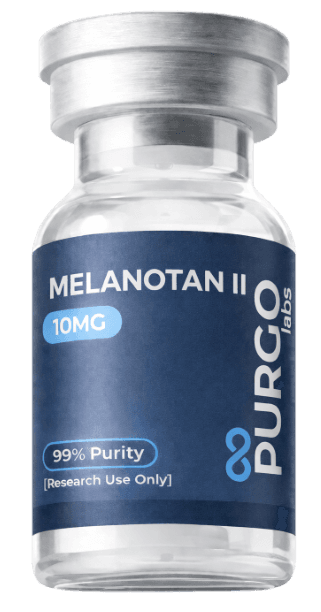
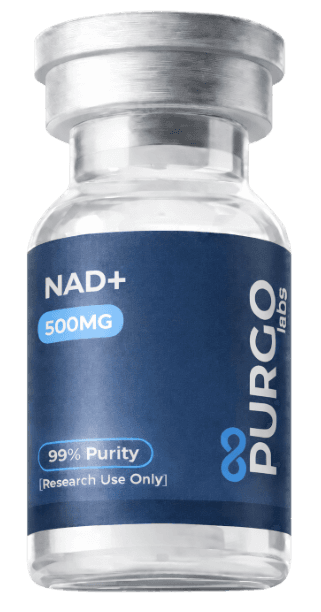
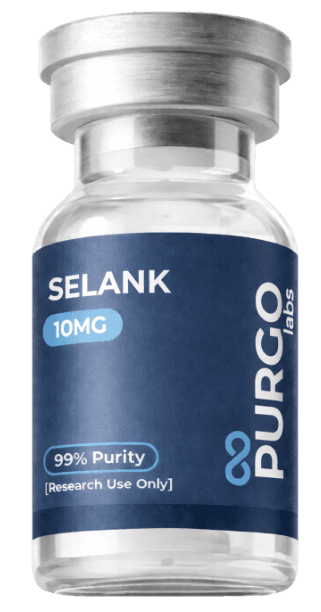
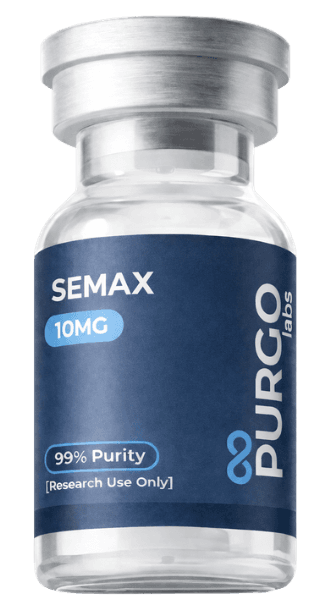
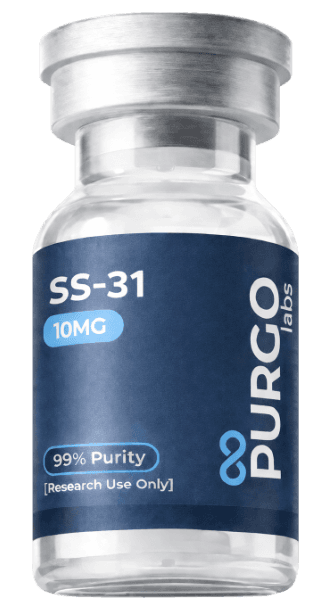
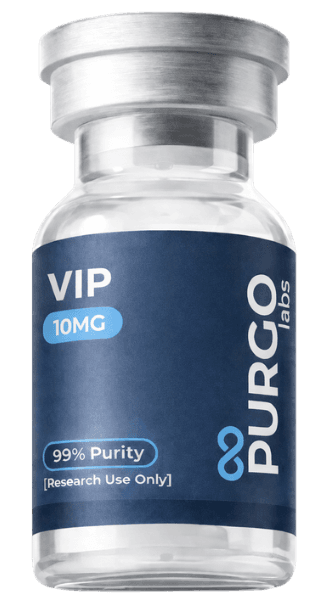
Peptide vials visualized, notional only. Products are not for human use.

Purity

≥99% HPLC

Identity

MS confirmed

Use

In‑vitro only

Researchers are responsible for institutional approvals and compliance with all applicable regulations.

Where Purgo peptides are used

Our catalog was built to support reproducible work across metabolic, cellular, and translational research programs.

Metabolic research

Peptides targeting energy balance, glucose regulation, and metabolic signaling.

  • • Glucose homeostasis studies
  • • Insulin sensitivity research
  • • Energy expenditure investigations
  • • Metabolic pathway analysis
  • • Lipid biochemistry studies

Cellular studies

Tools for interrogating intracellular signaling and protein behavior.

  • • Cellular signaling mechanisms
  • • Protein expression studies
  • • Cellular biochemistry research
  • • Inflammation pathway studies
  • • Angiogenesis mechanism research

Growth factor research

Growth factor–related peptides for tissue and matrix biology projects.

  • • Cell proliferation studies
  • • Tissue development research
  • • Protein biochemistry studies
  • • Bone composition investigations
  • • Cellular signaling pathways

Antioxidant studies

Models for oxidative stress and cellular resilience research.

  • • Oxidative stress research
  • • Cellular protection mechanisms
  • • Detoxification pathways
  • • Aging research
  • • Neurological studies

Quality standards for research

Every lot is characterized and documented so your team can focus on experimental design—not material uncertainty.

Purity

≥99% purity verified by HPLC.

Identity

Mass spectrometry confirmation.

Micro / endotoxin

Endotoxin & sterility testing where applicable.

Batch-level documentation
Designed for institutional workflows

Compliance & documentation

Purgo Labs is a research‑only supplier. We are not a compounding pharmacy or clinical manufacturer. Review our legal pages before onboarding Purgo as a vendor.

Important research notice

All products are for in‑vitro research use only. Researchers are responsible for institutional approvals and compliance with all applicable laws and guidelines.

Cell Culture Research

Cell culture research utilizes research peptides to investigate cellular responses under controlled in vitro conditions. Researchers employ peptides in various cell culture systems to study processes such as cell growth, differentiation, signaling, and metabolism. Standard protocols involve maintaining sterile conditions, optimizing culture media, and applying peptides at concentrations determined through preliminary experiments. Cell culture research enables detailed investigation of cellular mechanisms and responses to peptide compounds.

In Vitro Studies

In vitro studies with research peptides are conducted outside of living organisms, allowing researchers to investigate biological processes under controlled conditions. These studies enable precise manipulation of experimental variables and detailed observation of cellular and molecular responses. In vitro research with peptides contributes to understanding mechanisms of action, receptor interactions, and cellular signaling pathways without the complexity of whole-organism systems.

Receptor Binding Assays

Receptor binding assays investigate how research peptides interact with specific cellular receptors. These assays measure binding affinity, receptor occupancy, and competitive interactions. Researchers utilize receptor binding assays to characterize peptide-receptor interactions, understand binding mechanisms, and evaluate receptor selectivity. These studies contribute to understanding how peptides influence cellular signaling and biological responses.

Signal Transduction Studies

Signal transduction studies examine how research peptides activate intracellular signaling pathways following receptor binding. These studies investigate downstream signaling events, including second messenger generation, protein phosphorylation, and gene expression changes. Research in signal transduction helps understand how peptides influence cellular processes and contribute to biological responses.

Tissue Repair

Tissue repair research investigates how peptides influence wound healing, tissue regeneration, and cellular repair mechanisms. Researchers study peptides like BPC-157 to understand their effects on angiogenesis, fibroblast migration, and extracellular matrix formation. These studies contribute to understanding tissue repair processes and may inform future developments in regenerative medicine and wound healing therapies.

Metabolic Research

Metabolic research utilizes peptides to study glucose metabolism, insulin signaling, energy balance, and metabolic regulation. Compounds like tirzepatide and retatrutide enable researchers to investigate how multiple receptor pathways interact to regulate metabolic processes. Research in metabolic pathways contributes to understanding metabolic diseases, insulin resistance, and potential therapeutic approaches.

Hormone Research

Hormone research employs peptide analogs to study endocrine function, hormone-receptor interactions, and metabolic regulation. Peptides like tesamorelin allow researchers to investigate growth hormone pathways and their effects on various physiological processes. These studies contribute to understanding endocrine disorders, hormone-related conditions, and metabolic regulation.

Cellular Signaling

Cellular signaling research investigates how peptides influence intracellular signaling pathways and cellular responses. Peptides like IGF-1 LR3 enable researchers to study growth factor signaling, including PI3K/Akt and MAPK pathways. These studies help understand how cells respond to external signals and regulate processes such as growth, differentiation, and survival.

Research protocols and guidelines ensure that peptide research is conducted safely, effectively, and reproducibly. Following established protocols helps researchers achieve consistent results and maintain experimental integrity.

Standard Protocols

Standard research protocols for peptides include reconstitution procedures, concentration optimization, application methods, and experimental design considerations. Researchers should follow recommended protocols while adapting them to specific experimental requirements. Protocol documentation ensures research reproducibility and enables other researchers to replicate studies.

Safety Guidelines

Safety guidelines for peptide research include proper handling procedures, personal protective equipment requirements, and waste disposal protocols. Researchers should maintain sterile conditions, use appropriate safety equipment, and follow laboratory safety regulations. Safety documentation and training ensure that research is conducted without risk to researchers or the environment.

Storage Protocols

Storage protocols ensure that peptides maintain stability and integrity throughout the research process. Proper storage includes temperature control, protection from light and moisture, and appropriate container selection. Following storage protocols preserves peptide quality and ensures consistent research results.

Reconstitution Methods

Reconstitution methods for peptides involve dissolving lyophilized powder in appropriate buffers or diluents. Proper reconstitution ensures that peptides are prepared correctly for experimental use. Researchers should follow recommended reconstitution protocols and optimize concentrations based on experimental requirements.

What research applications are peptides used for?

Research peptides are used in various applications including tissue repair studies, metabolic pathway research, hormone receptor investigations, cellular signaling research, and antioxidant mechanism studies. These applications enable researchers to investigate complex biological processes in controlled laboratory environments.

How do I design experiments with research peptides?

Experimental design with research peptides should include appropriate controls, replicate samples, and clear experimental endpoints. Researchers should optimize concentrations, exposure times, and experimental conditions based on preliminary experiments and published protocols.

What documentation is needed for peptide research?

Research documentation should include experimental protocols, analytical data, quality control records, and research findings. Certificate of Analysis (COA) documents provide essential quality information for research documentation and compliance.

Ready to plan a study

Talk to us about documentation, logistics, or recurring supply.

Whether you're running a single pilot or a multi‑arm program, we can help ensure materials and paperwork don't become the bottleneck.