📈
Study-linked
Evidence Mapped
Sections tied to references below
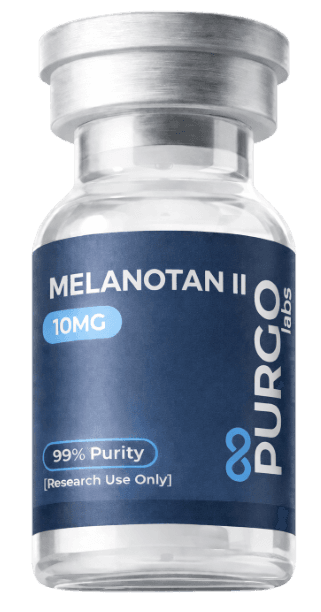
Hormone Compounds
Advanced melatonin formulation for circadian rhythm and sleep research
Dosage
$--
Quantity


Third Party Tested
Latest selected dosage
99%+
Purity
Variant: Melanotan II
Lot #: Current batch
Click to view full size
📈
Study-linked
Evidence Mapped
Sections tied to references below
✅
Preclinical
Evidence Base
Most findings are non-human
📚
Peer-reviewed
Sources
Journal/registry links included
🛡️
Research-only
Context
Not therapeutic guidance
⏱️
Model-dependent
Timeline
Observed effects vary by model
The science, simplified
Melanotan II has been studied across multiple preclinical pathways involving signaling, cellular stress response, and tissue-level recovery markers.
SIG
Primary
Signaling Modulation
CEL
Supportive
Cellular Response
SYS
System
Functional Outcomes
Key mechanism
Current evidence is mostly preclinical. Reported outcomes are model-dependent and should be interpreted as research context, not therapeutic claims.
Growth pathway
Published studies describe pathway-specific findings, including migration, inflammatory signaling, and recovery metrics in controlled models.
Evidence snapshot
Study-linked
Early findings from peer-reviewed studies
Key outcomes
Preclinical
Primary evidence type
Most compounds are preclinical-first
Limited
Human clinical depth
Varies by compound and indication
Research-only
Regulatory context
Not presented as therapeutic guidance
Healing
Recovery and tissue models in controlled studies.
Preclinical sources
Regulation
Pathway and signaling effects in metabolic models.
Research papers
Protection
CNS-linked pathway modulation investigated.
Neuropharmacology literature
Protection
Stability and tissue-protection context studied.
GI-focused journals
Dosing data below summarizes how this compound appears in published research settings. It is presented for educational reference only.
Where available
Animal/cell models